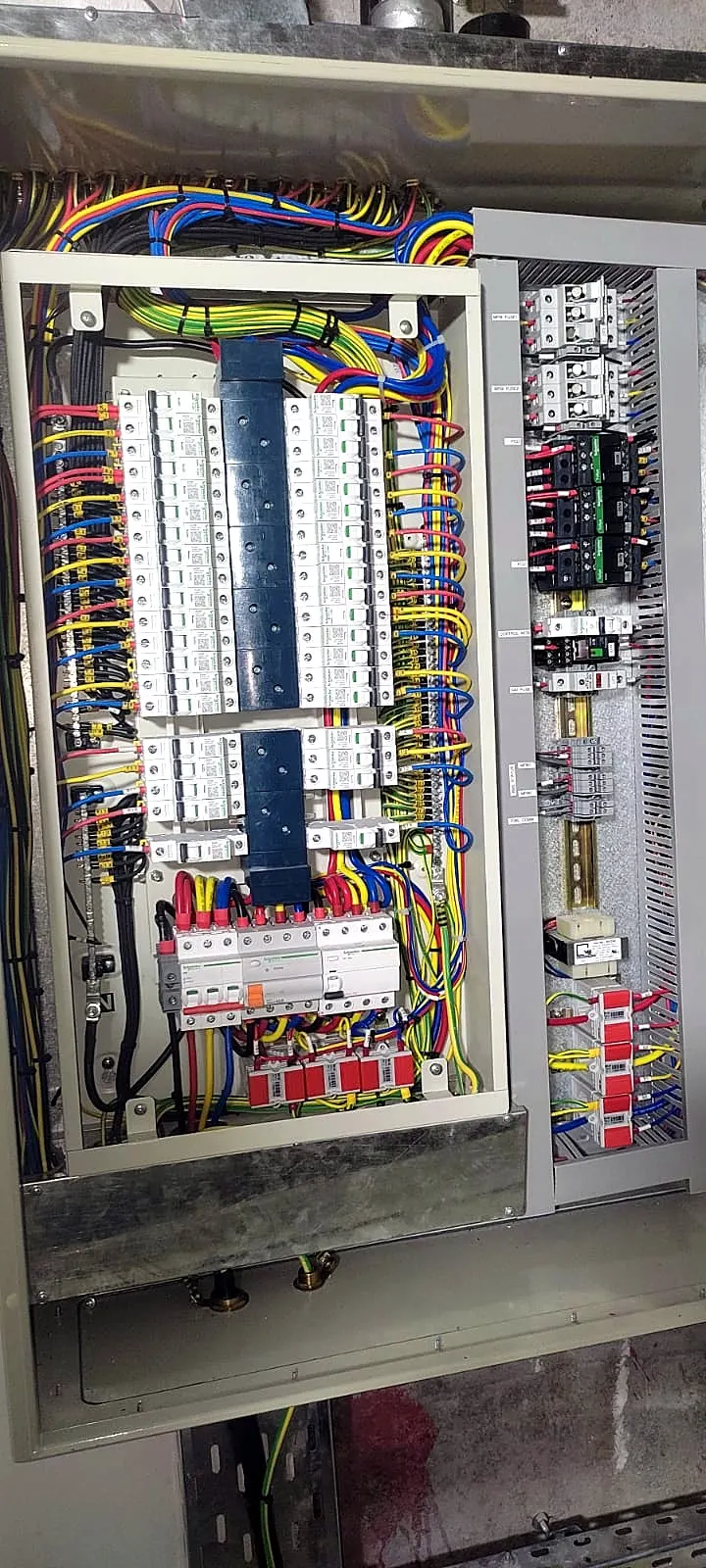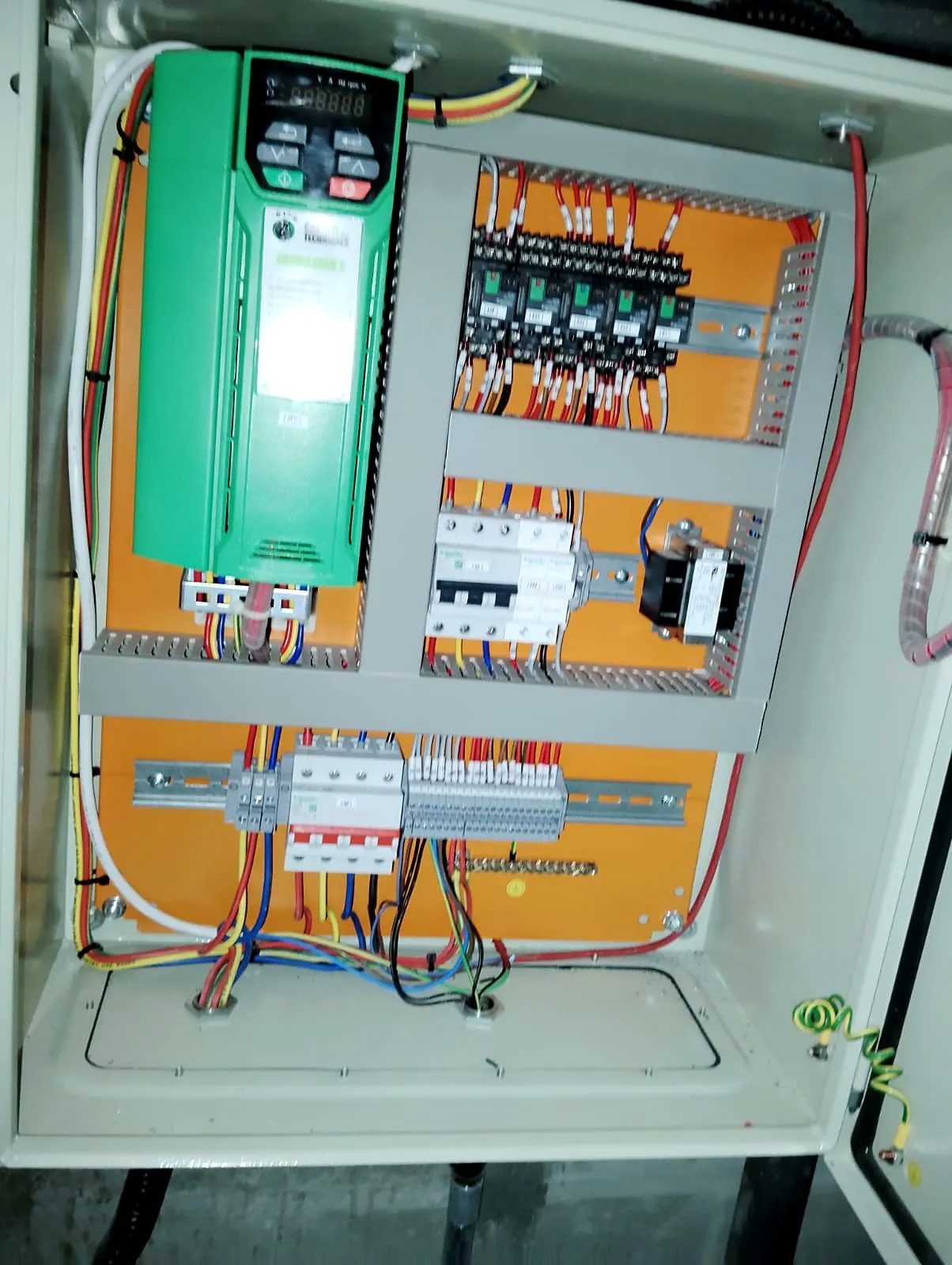
A circuit breaker is a safety device within an electrical system, designed to interrupt the flow of electricity when it detects an overload. This prevents wires overheating, which can result in fires, and protects appliances from damage. If a circuit breaker trips, it is a sign of an underlying issue that needs to be addressed.
Overloaded circuit
This is one of the main causes of a tripping breaker. Every circuit is designed to handle a certain amount of electrical current, and the breaker trips to prevent the wires from overheating.
Signs of an overloaded circuit
Dimming lights when an appliance is turned on, buzzing or humming from outlets or switches, warm outlets or switch plates, or burning smells near outlets or appliances.
How to address an overload
Find out which appliances are connected to the tripping circuit and unplug some of them to reduce the load. Avoid using several high-wattage appliances on the same circuit, and consider dedicated circuits for high-power equipment.
Short circuit
A short circuit occurs when a hot wire comes into direct contact with a neutral wire. This creates a path of very low resistance and a sudden, large surge of current, and the breaker trips immediately to interrupt it.
Signs of a short circuit
A loud pop or snapping sound from an outlet or appliance, sparks or smoke, and burning smells more acrid than those caused by an overload.
Common causes
- Damaged or frayed wiring where the insulation has worn away
- Loose or improper connections in outlets, switches or light fixtures
- Faulty appliances with internal wiring issues
- Water or moisture reaching electrical components
Addressing a short circuit
Do not attempt to reset the breaker repeatedly. Turn the breaker off and leave it off until the fault has been found and repaired, and inspect visible wiring and outlets for signs of damage or burning.
Ground fault
A ground fault occurs when a hot wire comes into contact with a grounding wire. As with a short circuit, this creates a path for current to flow, increasing current and tripping the breaker.
Signs of a ground fault
The breaker trips especially in areas with moisture, such as kitchens, bathrooms or outdoors, and there may be a shock or tingling sensation when touching certain appliances.
Addressing a ground fault
Find the cause rather than resetting the breaker. Unplug devices connected to that circuit one by one to see whether an appliance is causing the issue, and call a professional if the wiring is inside walls or in the electrical panel.
When to call a professional
If a circuit breaker continues to trip, call a qualified electrician. Professional electrical services have the knowledge and tools to safely diagnose complicated electrical problems.
Need this looked at on your own project? Request a site survey or call +971 50 905 2061.